FRP Guardrail Systems — Corrosion-Free Safety Barriers

What: Complete FRP guardrail and handrail systems designed for industrial, marine and commercial installations for fall prevention and edge protection. Why: FRP offers long-lasting corrosion resistance, low maintenance, and non-conductive properties — ideal where steel corrodes rapidly or electrical isolation is required.

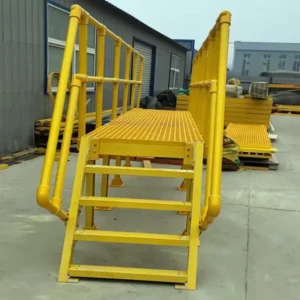
FRP guardrail on platform FRP handrail detail

FRP Guardrail Systems — Types Overview

Below are the primary FRP guardrail and handrail solutions commonly used in industrial and commercial projects. Each item can link to your detailed product cluster pages.

FRP Guardrail Systems

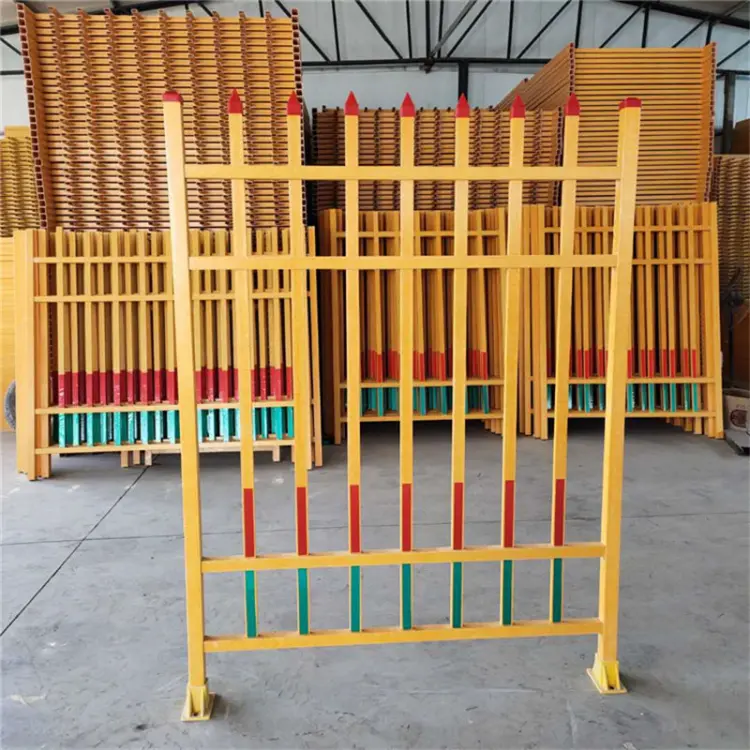
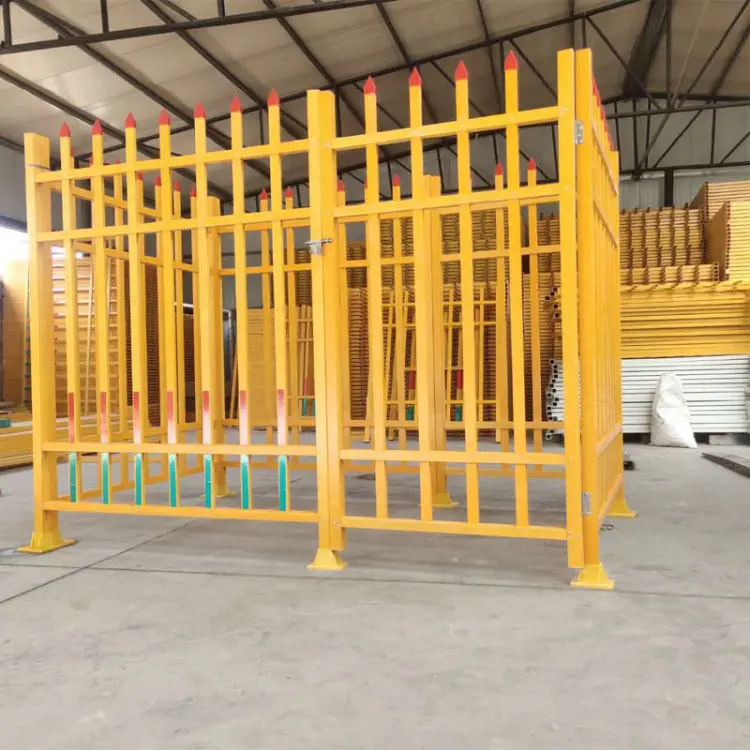
Modular FRP guardrail systems include posts, rails, mid-rails and mounting plates engineered for edge protection on platforms, walkways and mezzanines. Systems are designed for easy bolting or chemical anchoring, provide predictable performance in corrosive environments, and reduce long-term maintenance compared to metal railings. Available in various heights and stiffness classes to meet safety codes and site-specific load requirements.

FRP Handrails & Guardrails

FRP handrails combine ergonomic profiles with corrosion-proof materials for pedestrian safety along stairs, ramps and balconies. Options include smooth or knurled gripping surfaces, integrated end-caps, and welded or bolted corner assemblies. Handrails resist rust and do not require frequent repainting — ideal for coastal, wastewater and chemical processing facilities.

Modular Kits & Accessories

Prefabricated kits include standard-length rails, post assemblies, base plates and corner connectors for rapid onsite installation. Accessories such as toe-plates, kick-boards, and sacrificial abrasion strips are available to meet project-specific safety and durability needs. Kits reduce fabrication time and simplify compliance with local safety regulations.

Materials Comparison — Resin & Reinforcement Options

Quick reference for specifying the right resin, reinforcement and finishes for guardrails and handrails.

Material / PropertyKey AttributesTypical ApplicationsProsCons
Polyester Resin + E-glass (Pultruded)Cost-effective, good mechanical strengthStandard handrails and rails in non-aggressive environmentsLower cost; good strength-to-weightModerate chemical resistance; choose vinyl ester for harsher conditions
Vinyl Ester ResinImproved chemical and seawater resistanceCoastal platforms, chemical plants, wastewaterLonger service life in corrosive sitesHigher cost
Epoxy / High-Performance ResinHigh stiffness and creep resistanceCritical structural posts, heavy-duty applicationsExcellent long-term performanceHigher material and processing cost
Surface Finish: Gelcoat / TopcoatUV and abrasion protectionOutdoor handrails and high-visibility areasImproves appearance and reduces maintenanceFinish selection must match exposure
Hardware & Anchors (Stainless / Coated)Fixing integrity and corrosion resistanceAll installations — choose compatible materialsPrevents galvanic corrosion; extends lifeStainless adds cost but reduces lifetime maintenance

Tip: Select resin by exposure first (vinyl ester for seawater/chemicals), then choose reinforcement and finish to match structural and aesthetic needs.

Selection Guide — Quick Decision Flow

Simplified flow to help choose the right guardrail/handrail solution.

FRP Guardrail selection flow Start: Site & Load Requirements Outdoor / Seawater / Chemical Exposure? Pedestrian Railing Only or Industrial Barrier? Use Vinyl Ester Resin + Stainless Hardware + UV Topcoat Choose System Stiffness & Post Spacing per Code (Add Mid-Rail/Kickplate) Confirm Anchoring, Mounting Plates & Inspection Plan

Note: For rooftop or pedestrian balustrades check local building codes for handrail height, load test values and infill requirements.

Standards & Common HS Codes

  • Local Safety Codes — Specify in line with local building and occupational safety standards (e.g., guardrail height, handrail loading per national codes or EN/AS standards).
  • Material Test Standards — Use relevant ASTM/EN test methods for tensile, flexural and UV resistance; request certificates for resin and pultrusion data.

Common HS / HTS guidance

Guardrail assemblies and pultruded sections typically classify under shaped plastic articles headings (e.g., 3926.x) or specialized fabricated articles. Confirm with your customs broker and provide technical datasheets for accurate classification.

Frequently Asked Questions

Can FRP guardrails meet required handrail loading?

Yes — properly designed FRP systems with correct post spacing and pultruded profiles can meet local handrail and guardrail loading requirements. Provide load criteria and we will recommend appropriate section sizes and anchoring.

How are FRP guardrails anchored to concrete or steel?

Anchoring is typically via stainless steel base plates bolted to concrete (through bolts or chemical anchors) or bolted to steel sub-structure. We supply anchor plate designs and recommended hardware for each substrate.

Do FRP handrails require special maintenance?

FRP requires minimal maintenance: periodic cleaning and inspection for mechanical damage or loose fasteners. Gelcoat or topcoat may be refreshed over many years for cosmetic reasons in high UV zones.

Are FRP guardrails suitable for rooftop balustrades?

Yes — with correct specification for uplift, sway and guardrail height per local building codes. Use UV-stable resins and planned inspection schedules for long-term performance.

Can you supply custom colors or safety markings?

Yes — we offer custom gelcoat colors, high-visibility topcoats, and applied reflective or anti-slip treatments to meet site safety and visual requirements.

Ready to specify FRP guardrails & handrails?

Download the full guardrail catalogue, request engineered drawings, or contact our technical team for site-specific recommendations.

Scroll to Top