
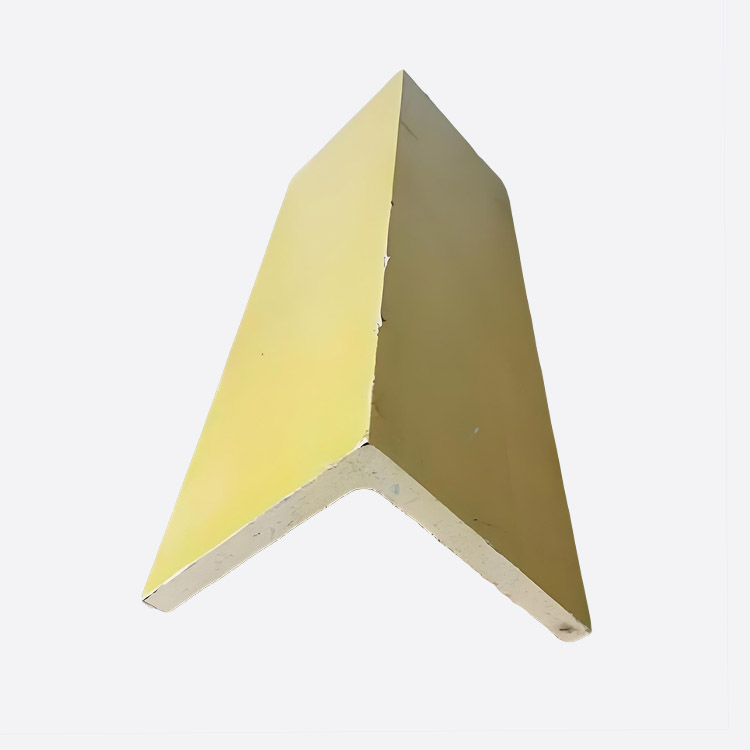
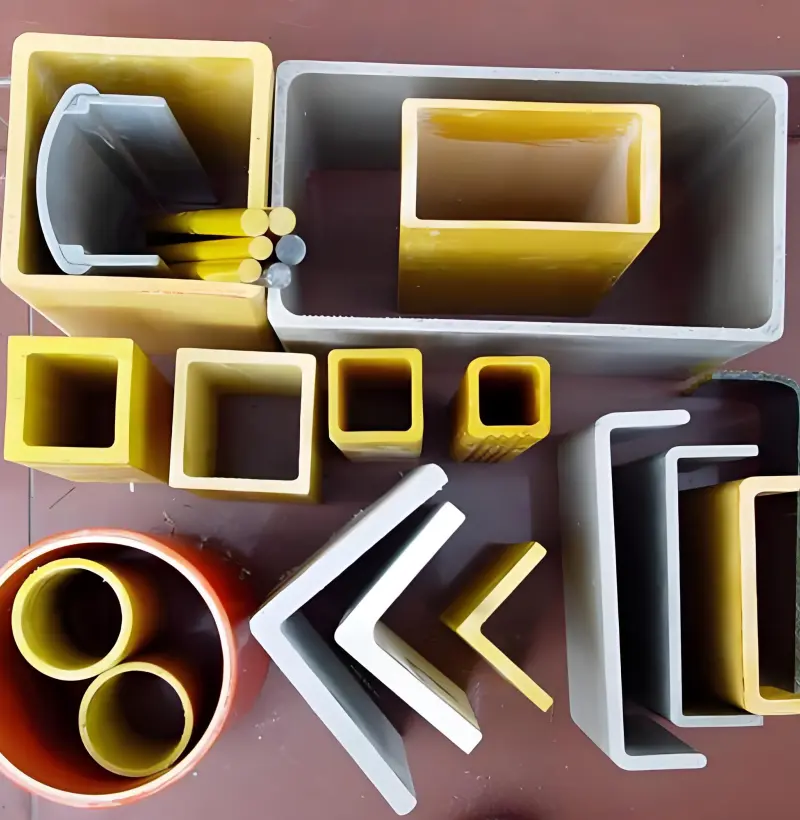
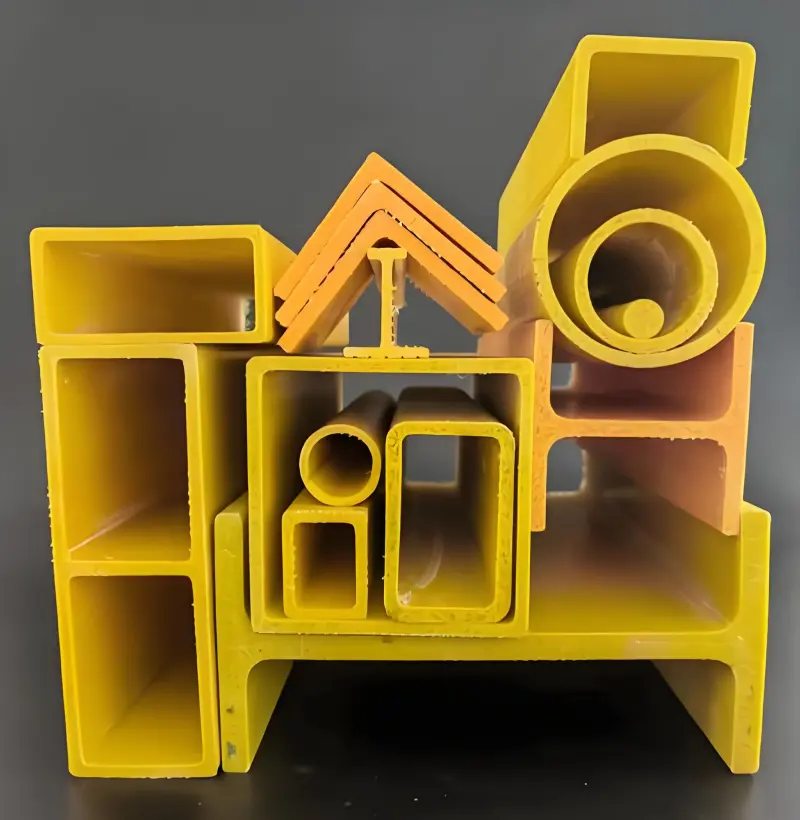
At [Hengshui Hongwo Technology Co., Ltd.], we’ve spent years watching steel angles rust, aluminum corrode, and plastic brackets crack under stress. That’s why we developed our Structural Fiberglass Angle—engineered to outlast traditional materials in harsh environments. Whether you call it a fiberglass curb angle or fiberglass equal angle, this product is built for durability without compromise.

Where It Shines: Real-World Applications
Our Structural Fiberglass Angle isn’t just a lab-tested concept—it’s field-proven where metals fail:
✔ Chemical plants: Resists acids, alkalis, and solvents that eat through steel.
✔ Marine docks: Zero rust, even in saltwater splash zones.
✔ Electrical substations: Non-conductive, eliminating arc flash risks.
✔ Food processing: FDA-compliant, no metal contamination.
“We replaced 200+ corroded steel angles in a wastewater plant with fiberglass—five years later, not a single replacement needed.” — Our Lead Field Engineer
Engineered to Perform: Key Parameters
- Material: E-glass fiber with isophthalic resin (superior chemical resistance)
- Standard sizes: 1″×1″ to 4″×4″ (thickness: 1/4″ to 1/2″)
- Load capacity: 25% stronger than equivalent aluminum angles
- Temp range: -60°F to +300°F (-51°C to +149°C)
- Fire rating: UL94 V-0 (self-extinguishing)
Why Engineers Prefer Our Design
- No more galvanic corrosion—unlike metals, fiberglass won’t react with dissimilar materials.
- Cut-to-fit flexibility: Modify on-site with basic tools (no plasma cutter required).
- 1/4 the weight of steel, reducing structural load.
Fun fact: A refinery client used our fiberglass equal angle to patch a corroded pipe support—it’s still holding up after 8 years of acid exposure.
Trusted by Industries That Can’t Afford Failures
- Oil & gas: Meets NACE MR0175 for sour service.
- Transportation: Approved for bridge components per AASHTO.
- Power plants: Survives 100+ thermal cycles without warping.
Third-party testing confirmed zero strength loss after 5,000 hours in pH 2 acid baths.
Installation: Easier Than You Think
Step 1: Degrease surfaces (acetone works best).
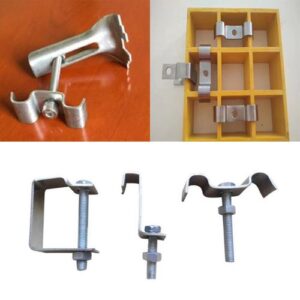
Step 2: Bond with epoxy or bolt using stainless hardware (pre-drill to avoid cracking).
Step 3: Torque to 15 ft-lbs max—over-tightening splits fibers.
Pro tip: For high-vibration areas, add a bead of polyurethane adhesive to dampen movement.
Maintenance? Almost None
- Annual inspection: Check for UV fading (if unpainted).
- Cleaning: Hose down with water + mild detergent.
- No lubrication needed—unlike metal slides that attract grit.
Safety First: Critical Notes
⚠ Wear gloves/mask when cutting: Fiberglass dust irritates skin.
⚠ Avoid direct flame: While fire-resistant, prolonged 400°F+ heat weakens resin.
⚠ Use washers: Distribute load to prevent localized crushing.
Lessons from the Trenches
- Biggest mistake: Assuming “all fiberglass is the same”—cheap polyester resins crack in cold weather (ours won’t).
- Customer hack: One shipyard paints ours with silicone-based coatings for extra UV protection.
FAQs We Hear Daily
Q: How does it compare to steel in sheer strength?
A: 80% of steel’s strength at 1/4 the weight—and it won’t corrode into weakness.
Q: Can it replace aluminum in electrical rooms?
A: Yes, and it’s safer—no risk of galvanic reaction with copper busbars.
R&D: Where We Push Limits
We’ve invested $3M+ in fiberglass R&D, focusing on:
- Nano-silica additives for 30% higher impact resistance (patent pending).
- Automated fiber layup to eliminate weak spots in corners.
“Our goal? Make a product so reliable, even the skeptics become believers.” — CTO, [Hengshui Hongwo Technology Co., Ltd.]
The Bottom Line
✅ Outlasts metals in corrosive, high-load environments.
✅ Simplifies maintenance—no painting or rust repairs.
✅ Backed by real-world data, not just spec sheets.
Need a sample or stress-test report? Our engineering team loves tough challenges—reach out today.